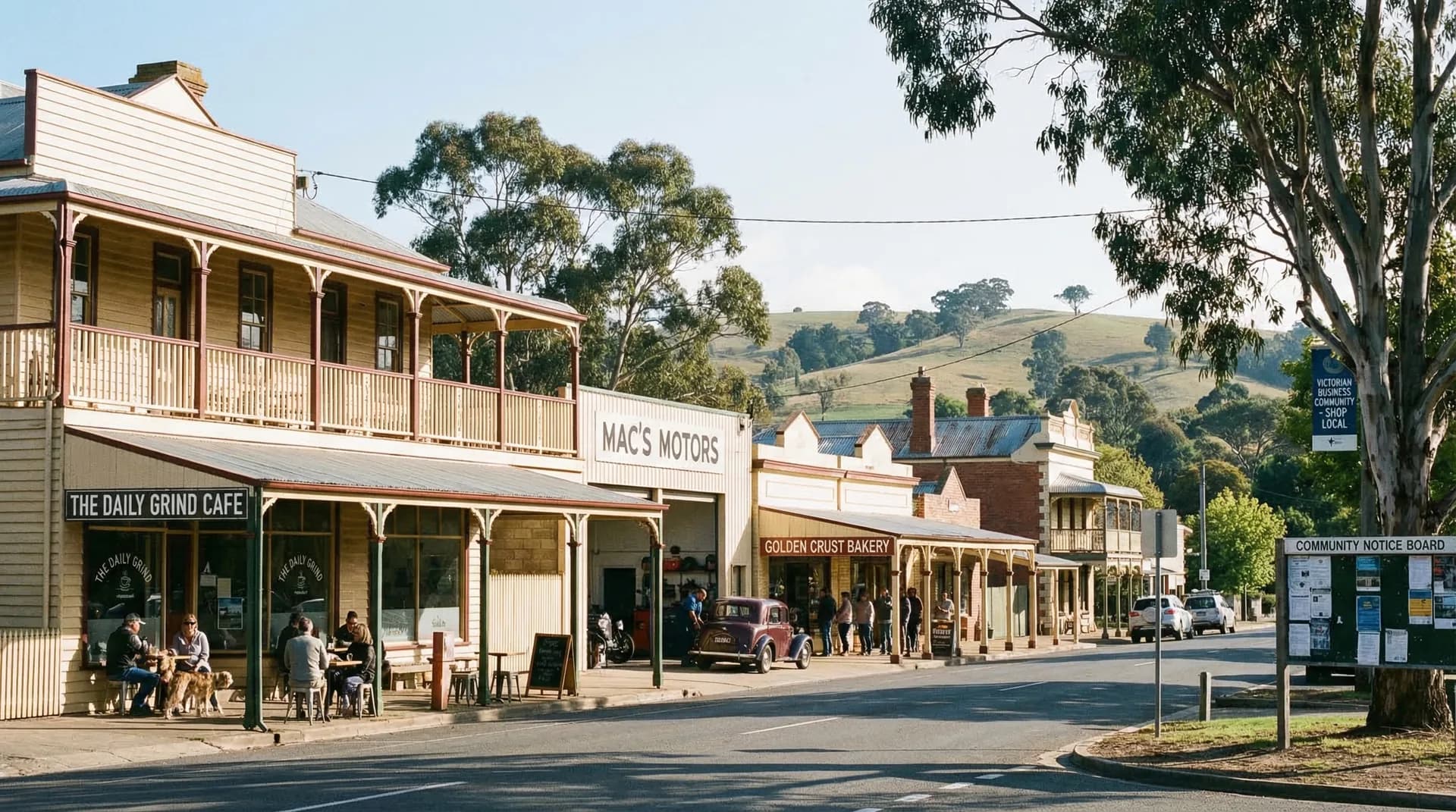
The top local business websites are not winning because they are fancy. They win because customers can understand, trust, and contact the business faster than everyone else.
Point 1
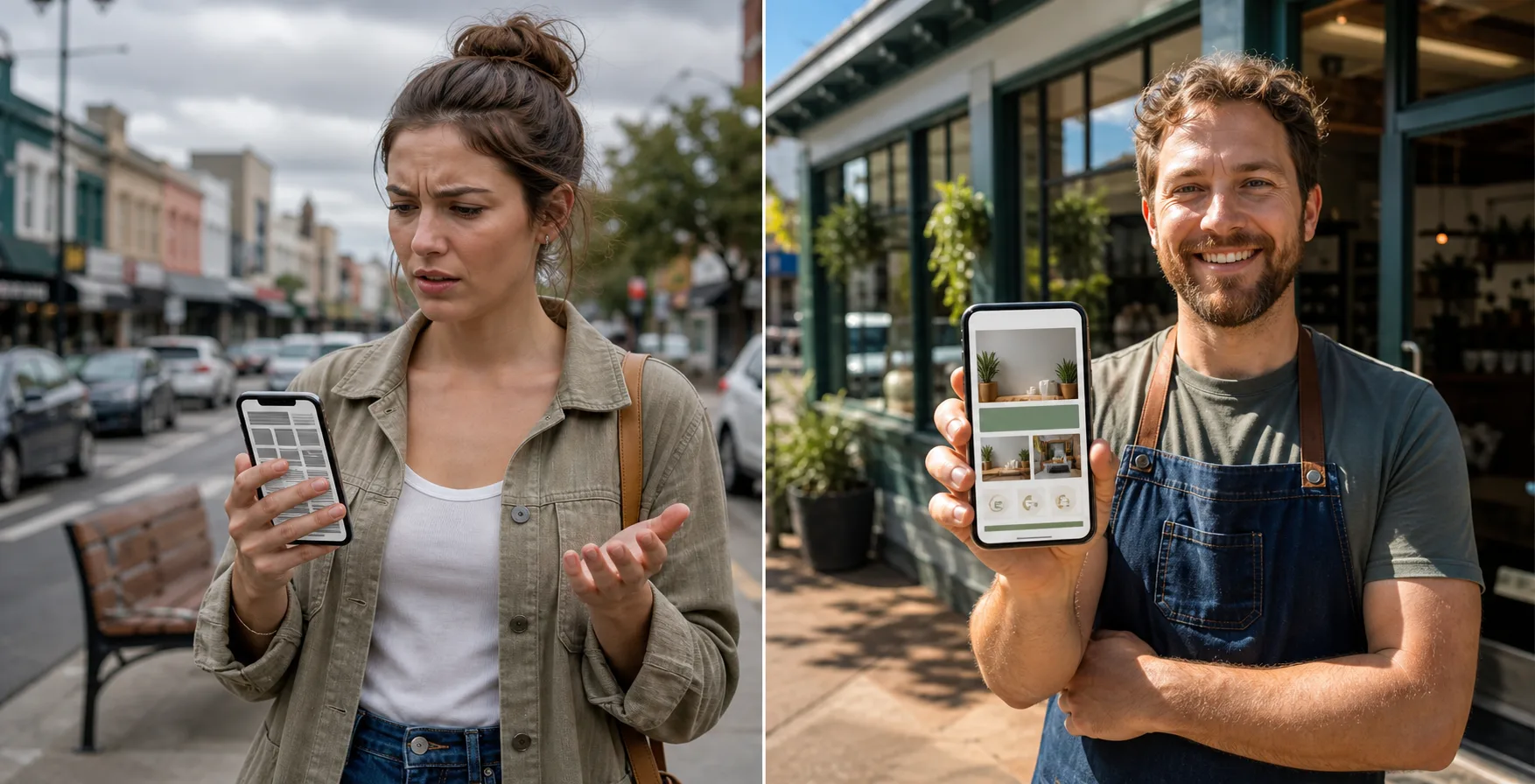
They pass the five-second test
A visitor should know what you do, where you are, and what to do next within five seconds. If they cannot, the website is working against you.
The best sites use plain headlines, useful subheadings, and one clear button. They do not waste the first screen on vague brand lines.
Fix this: Rewrite your homepage hero so a stranger can understand your business without scrolling.
Point 2
They are built around the customer's problem
A lot of websites talk mainly about the business: our mission, our values, our process. That can matter later, but the customer arrives with a problem.
The best websites name that problem early and show the outcome. More bookings. Less stress. A fixed leak. A working car. A clean set of books.
Fix this: Turn service descriptions into problem-and-result sections that sound like your customers talk.

Point 3
They use proof everywhere it matters
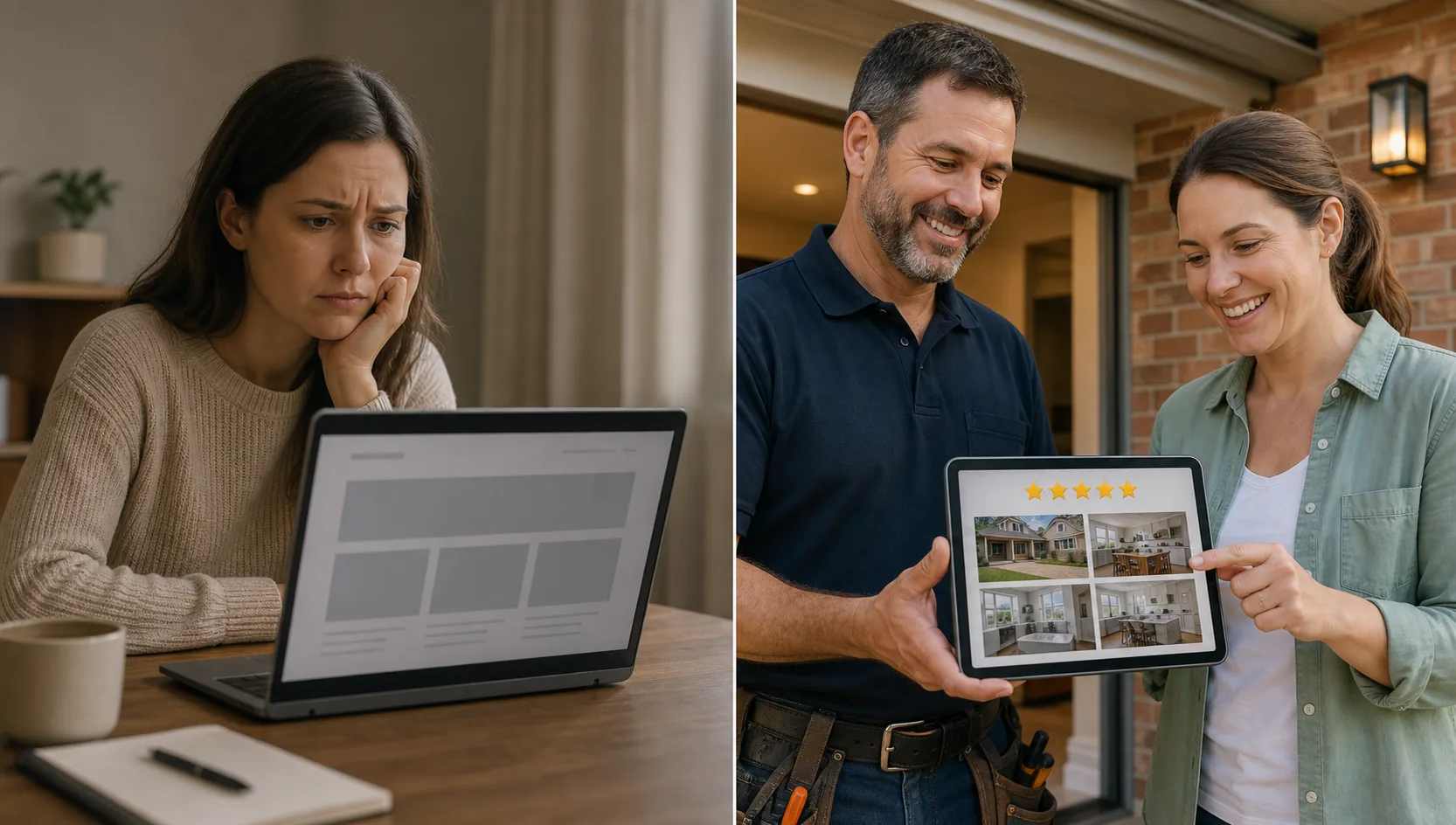
Reviews, before-and-after photos, case studies, guarantees, accreditations, and local experience all do the same job: they remove doubt.
The weaker sites put proof on a separate page. The stronger sites weave it through the homepage, service pages, and contact areas.
Fix this: Add a proof block after each major service section and beside your form.
Point 4
They match the way locals search
Local search is specific. People search mechanic near me, cafe in Geelong, bookkeeper Ballarat, emergency plumber Pakenham, or website designer Victoria.
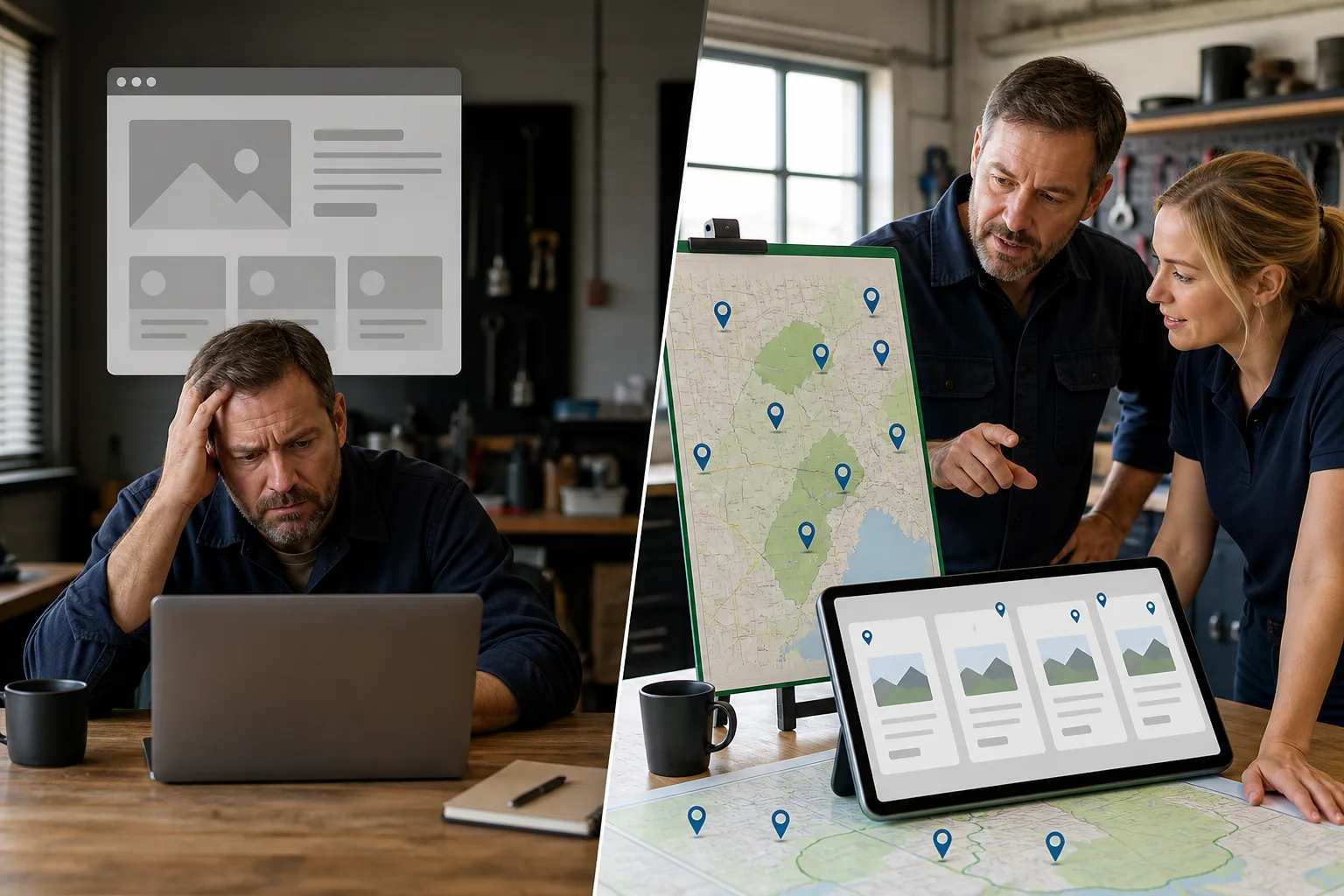
Top sites create pages and headings that match those searches naturally. That does not mean stuffing suburbs everywhere. It means being clear about services and service areas.
Fix this: Map your best services to your best suburbs and build pages for the combinations that matter most.
Point 5
They make contact feel like the natural next step
The best websites do not wait until the bottom to ask for the enquiry. They guide people along the page with simple next steps.
That might be call now, request a quote, book a table, send your website for an audit, or ask for a callback. The wording changes, but the idea is the same: make it easy.
Fix this: Place a clear CTA after each important section and repeat it at the bottom with a short form.
Want a brand new website from $150/m*?
Limited August spots remaining. Send your details and we'll confirm if your area is still available.
*$150/m website offer is for eligible BuildSpark monthly website plans. Limited August onboarding spots.
Frequently Asked Questions
What makes a good local business website?
A good local business website is clear, fast, mobile-friendly, easy to contact, locally relevant, and backed by proof such as reviews and real photos.
Do local businesses need a blog?
A blog helps when it answers real local customer questions. You do not need weekly fluff. A few useful guides can support local SEO and build trust.
What should I fix first on my website?
Fix the first screen, mobile contact, speed, and trust proof first. Those changes usually affect enquiries faster than adding extra pages.
Want this fixed with a brand new website from $150/m*?
BuildSpark builds fast, local-focused websites that make calls, bookings, and quote requests obvious. Limited August spots remaining.
Start My $150/m Website*For eligible monthly website plans. Final inclusions confirmed before you start.